Published February 3, 2022 06:05AM
How Crista Scott Tappan Is Claiming Space for Herself by Taking a Break
We spoke with the Dirtbag Runners founder about how she hopes taking a sabbatical will bring her back to running and how other people can make a break work for them.
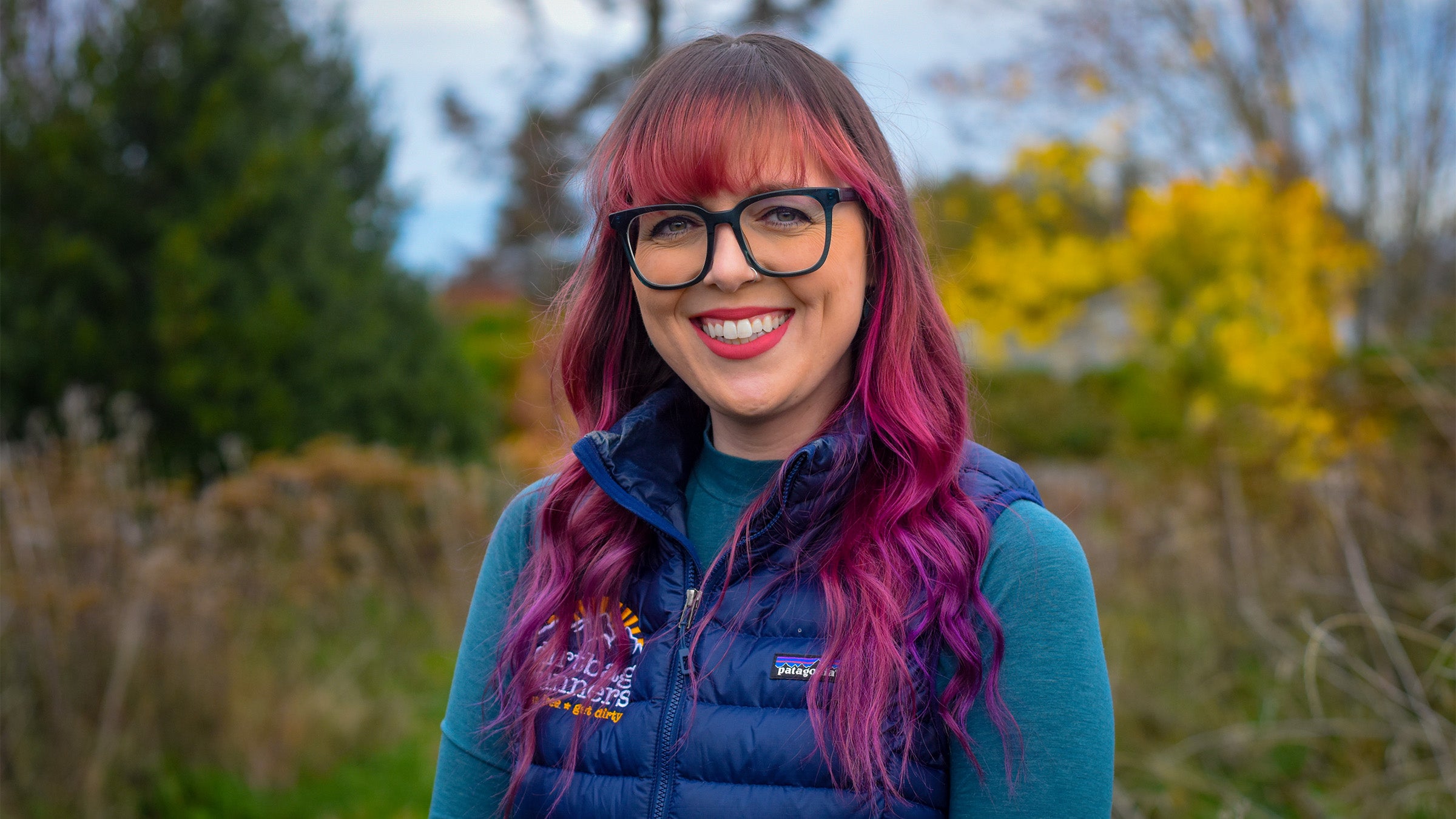
(Photo: Shayla Naswood)
The founder and CEO of Dirtbag Runners—an online community for trail and ultrarunners—is taking the trail less traveled in a society driven by high-achievement and constant forward momentum. Crista Scott Tappan is taking a break.
Tappan, who uses she and they pronouns, has her hands in a lot of projects. She likes to keep busy. She’s a content creator, web and product developer, marketing instructor, runner, and researcher. Her role in those spaces intentionally centers around providing a service for her community and connecting people within it.
It was the obligatory tasks that she found herself getting lost in—like packing hundreds of Dirtbag Runners gear orders in the evenings and on weekends. Tappan knew she needed to separate herself to handle the burnout she was feeling, but like many people experience, when you feel your identity is intertwined with an activity, it can be hard to let it go, even temporarily.
ADVERTISEMENT
“I saw the business connected with the community and I’ve been working to separate that,” she says. “That I would lose my identity of myself if I wasn’t the leader of Dirtbag Runners, and I wouldn’t feel like I was a part of the community.”
RELATED: This is What We’re All Feeling Right Now According to Mental Health Professionals
On Taking a Break
Though she ran track and cross country in high school, Tappan became really engaged in the running scene while she was working on her master’s thesis in psychology. She was studying flow, the act of being immersed in an activity.
“I looked at athletes and their experience of flow across team sports and individual sports and how that can benefit your life and wellbeing. And for my master’s thesis, I looked at the mental health benefits of long distance running outside,” she says.
ADVERTISEMENT
She noticed that many of the people she came across in trail and ultrarunning approached running a bit differently. “There were people coming out of a divorce. There were people going through life difficulties. Some had been addicts at one point in their life. And they were kind of using running as a way to reach a baseline versus just running for fun.”
The irony is not lost on her that with working 70–80 hours per week, she hasn’t made running or spending time outside a priority. “It’s hilarious because that’s what I studied for like a decade.” Her mental health suffered because of it.
She hopes that her break will inspire others who are taking on too much to think about how they can prioritize their mental health too. “I think that we’re collectively experiencing a lot of stress from the pandemic and all of these things and we need to take care of ourselves even more.”
In Her Corner
Sometimes it takes an outside perspective to point out when you’re not taking care of yourself. For Tappan that voice of reason came from her husband. He pointed out to her that she loaded up her January schedule in a way that felt unrealistic with teaching, continuing her research, onboarding 500 new ambassadors for Dirtbag Runners, and shipping gear orders. “What can you trim off?” he asked.
ADVERTISEMENT
When she said there was nothing she could trim off, she knew she had a problem. That’s when the sabbatical plan started to take shape. “It’s up to us, at the end of the day, to put ourselves first,” she says.
But she was worried how her community would react. “I think at times we can perceive others’ reactions a little bit more intensely than they actually are,” she says. “As much as I would like to believe that I can guess what other people are going to do and say and how they’re going to react. I’m also wrong a lot.”
She anticipated a harsh reaction, but received a lot of positivity in return. “The thing that I didn’t expect about sharing about wanting to go on sabbatical and all that was how many people were like, I’m going through the exact same thing. Thank you.” They wanted to know how she set that boundary for herself and how they could do it too.
RELATED: How Oiselle’s President Creates Space for Mental Health
ADVERTISEMENT
What a Sabbatical Looks Like
“I want to create space and almost boredom for myself,” says Tappan. She’s calling it her emotional carwash, decluttering her schedule and her mind. For her, a sabbatical means coming to the end of the day and getting to do whatever she wants with her free time for the first time in nearly two years.
She’s giving herself until June, six months, to make any decisions about what comes next.
In the meantime, she hopes to actually have time to get back in touch with the physical act of running (which means getting the physical therapy that she’s needed after a foot injury in 2016 threw off her gait). “My goal in this time is to be able to run short distances again. I no longer have dreams of running a hundred-mile race or anything like early on.”
ADVERTISEMENT
Tips for taking a break of your own.
Tappan offers 3 tips to know when (and how) to take a break.
- Accept that it is OK to not do everything. “If you’re worried about letting people down, if somebody truly loves you and cares about you and your mental health and your wellbeing, they will understand if you have to make that choice for yourself.”
- Understand why you are doing something and what you gain from it. “If they’re doing it just for the sake of filling the space or they feel obligated to do things, ask yourself, is what I’m doing bringing me joy?” For Tappan, managing Dirtbag Runners became an obligation. She has the privilege to take a break from it because she has another full-time job that pays her bills.
- Lead by example. Even if you don’t feel like you have a direct leadership role in your life as a coach or a parent, a boss, or otherwise—we live in a society where we are watching and learning from each other constantly through social media. “You don’t know who else your overworking might be impacting,” says Tappan. “We’re role models to people around us and we don’t know how many people look to us and how many people we influence in our lives.”
Tappan is ready to get her mental and physical health back to baseline. And you can too.