Published May 25, 2016 04:44PM
The Easiest Way To Figure Out Your Race Pace
Now you can easily zero in on your ideal speed for a 5K, 10K, half and full marathon, all by taking this one simple test.
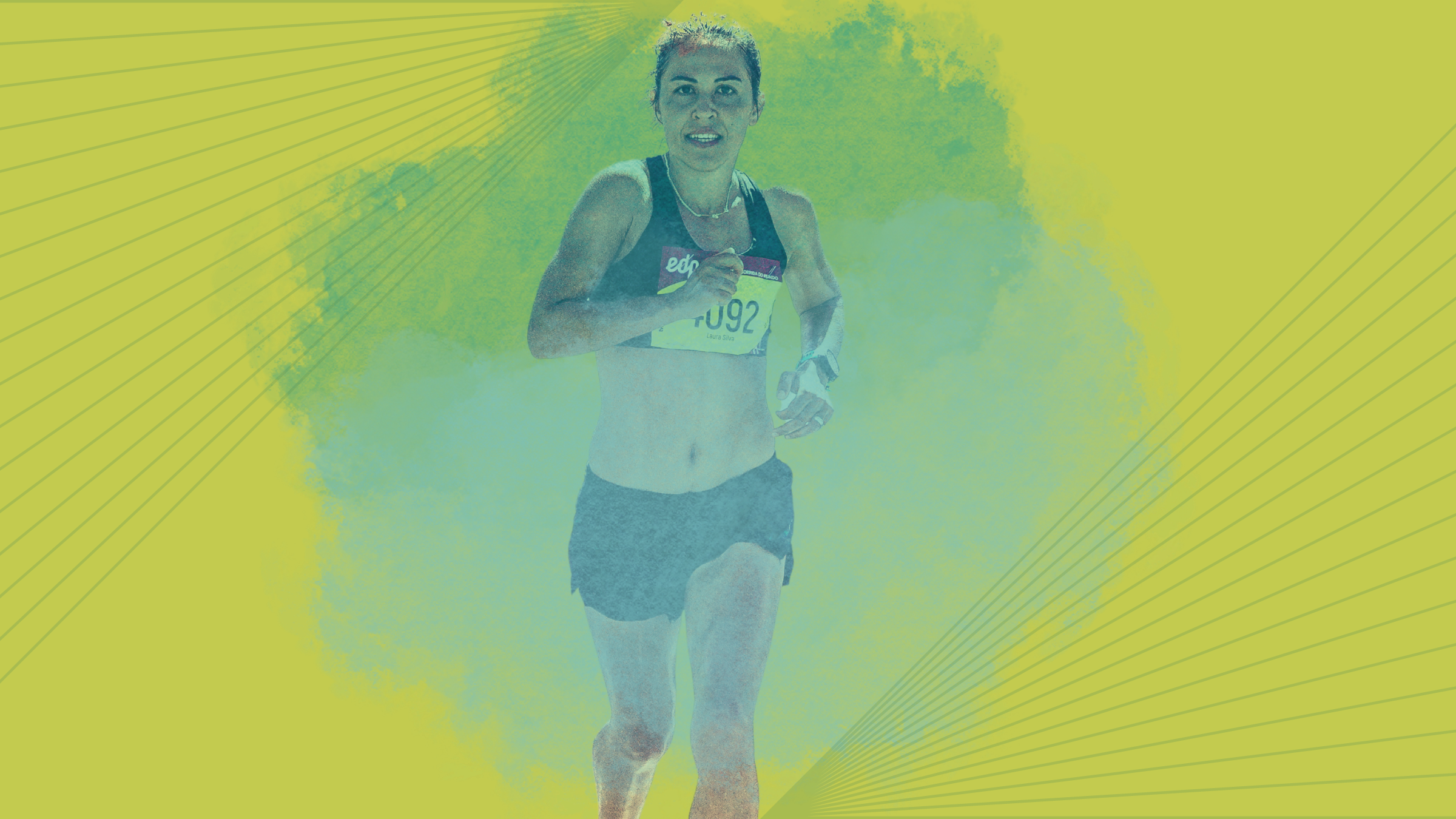
You know that feeling when you’re registering for a race and you’re asked for your “expected finish time”? Sometimes, sure, you have it nailed. Other times, you wish there were a drop-down that reads: “Do I look like a fortune teller?”
Whether you’re trying out a new distance or it’s been a while since you tested your wheels, there’s plenty of opportunity to be unsure about race pace, even for experienced runners. Eric Orton, who coached author Christopher McDougall to ultra-distance as told in the book Born to Run, and co-wrote Born to Run 2 with McDougal, has come up with a simple way to figure out expected race pace: a 1-mile test.
The Magic Mile
“The mile has been showed to be a great predictor up to a marathon distance,” says Orton, who has worked with a number of individuals and groups at running camps and online at Eric Orton Running Academy.
After this test, you’ll be ready for any training plan with race pace workouts.
ADVERTISEMENT
How to Calculate Your Race Pace
1 Mile Test
Note: The test is best done at a track for consistency.
Pre-test:
- 12–15 min. very easy jogging
- 4 x 30 sec. pickups, building speed to a moderate/fast effort, with 1 min. rest in between
- 2 min. at a moderate effort with 1–2 min. rest just before the mile
The Test
- Reset your watch to record only this portion. Run 1 mile as fast and as steady as you can.
- Avoid starting out too fast and slowing way down at the end. Aim for a consistent pace. Stop your watch at the finish—use this time!
Cool-down
- 5–10 min. easy
ADVERTISEMENT
The Math
Use your 1-mile time in these calculations to figure out a target race-pace range (or go to our calculator). With proper prep, you can expect your finish time to fall in the 1-to-2 range. Of course, you do still have to train!
1-mile pace = _______
(convert time to decimal, so 9:30 would be 9.5, for example). We’ll call this 1MP.
5K
1MP x 0.09 + 1MP = 5K1
1MP x 0.05 + 1MP = 5K2
5K pace = from 5K1 to 5K2
10K
1MP x 0.14 + 1MP = 10K1
1MP x 0.10 + 1MP = 10K2
10K pace = 10K1 to 10K2
Half Marathon
1MP x 0.19 + 1MP = HM1
1MP x 0.15 + 1MP = HM2
Half-marathon pace = between HM1 and HM2
Marathon
1MP x 0.25 + 1MP = M1
1MP x 0.20 + 1MP = M2
Marathon pace = between M1 and M2
ADVERTISEMENT
Related: Should You Be Doing Race Pace Long Runs?
Related: Should You Run With A Pace Group?