Published January 21, 2020 05:00AM
Meal Prep Madness: 16 Tips to Make Meal Prepping Easier
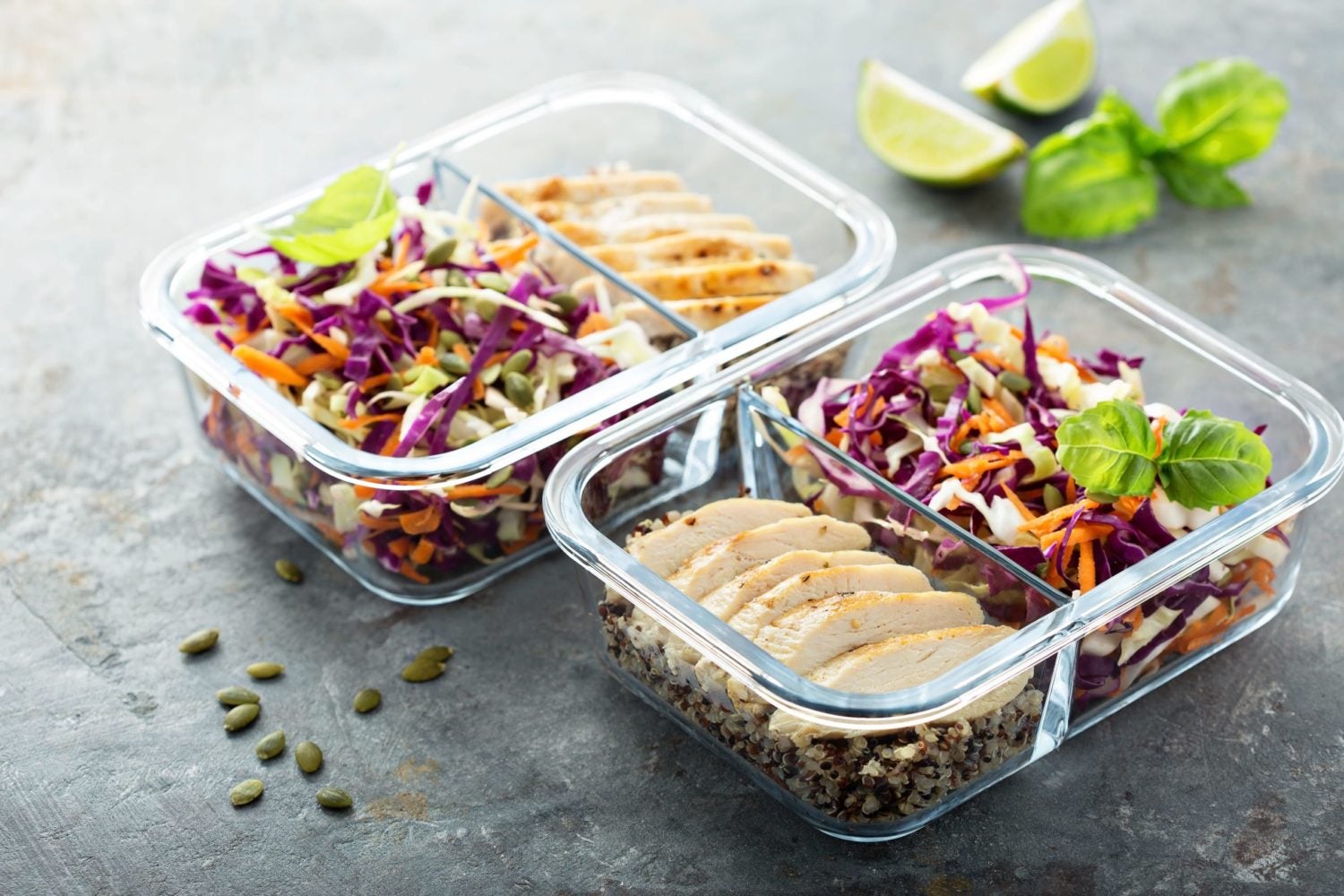
It’s a trend for a reason—and it’s not going anywhere any time soon. Meal prepping saves time and money, and makes it way easier to stick to a consistent, healthy eating routine. But if the thought of massive meal prepping makes you feel overwhelmed, breathe easy: We’ve compiled 16 tips (plus some bonus tips!) that make the process easy and effective.
When you’re shopping…
1. Plan Ahead.
Keep your pantry and freezer stocked with some quick go-to items. This can help when you realize you’re missing something for a recipe, or when you want to quickly pivot during the week and looking to whip something together fast. Here are a few things to always have on hand: Frozen fruits and veggies (less expensive and last much longer!); frozen brown rice or quinoa (quicker cooking and no pan to wash!); frozen shrimp or salmon (defrosts quickly!); plus pantry staples like plain oatmeal, beans, diced tomatoes, salsa, and chicken or vegetable broth.
2. Have a recipe that calls for julienned vegetables?
Save time by using broccoli slaw (pre-shredded broccoli, cabbage, and carrots) in place of julienned vegetables. You can find it near bagged greens in most grocery stores.
3. Pick the Best Bunch.
Bananas are often a staple for runners. If you purchase a bunch of six bananas, they will all ripen within a two- to three-day period. Chances are you will not be able to eat all six bananas as soon as they are ripe. To have perfectly ripe bananas any day of the week, pick up singles with varying degrees of ripeness. Buy a couple that are ready to eat in the next day or so, a couple that are slightly green at the ends (which will be ready in three or four days), and a couple that are slightly green throughout (which will be perfect in about a week). In the event that you do end up with overripe bananas, just peel them and freeze them in plastic bags–they are perfect for smoothies or pancakes.
ADVERTISEMENT
4. Rotate Your Protein.
When planning your meal prep each week, rotate the protein options. So if you made chicken and ground turkey last week, try making sirloin and shrimp next. If you’re plant-based, try swapping out chickpeas for lentils, or tofu for tempeh. Just changing up the protein (which is usually the base of a dish) can help make the entire meal seem a bit more interesting. Plus, it can help you keep a nice balance of frozen leftovers to choose from in the future—rather than 10 portions of the same chicken chili.
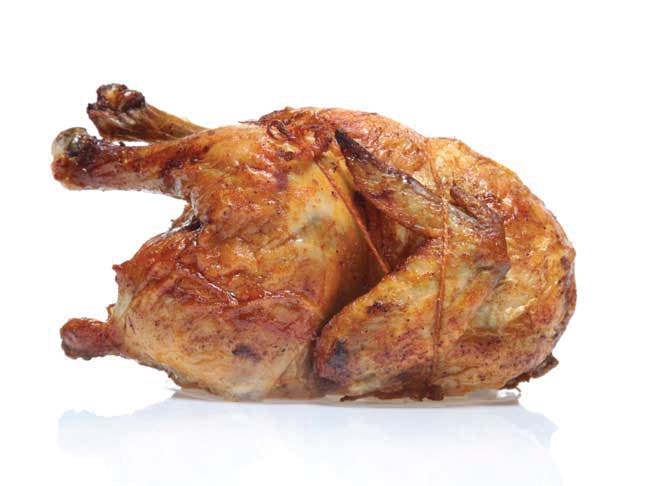
5. Don’t Always Make Everything.
When you know you’re going to be short on prep time, keep a few healthy shortcuts top of mind, like picking up precooked proteins.
ADVERTISEMENT
Rotisserie Chicken: You can find these in nearly every grocery store, usually for a pretty decent price. Remove the skin, then chop up leftover meat and refrigerate or freeze in 1-cup portions to add to soups and cooked grains. (Side note: While dark meat contains slightly more fat than light meat, it also provides more iron, which is important to female athletes.)
Dairy: Pick up cottage cheese, greek yogurt, and cheese in the dairy section. All are excellent sources of protein. (You can also find already cooked and peeled hard-boiled eggs there, too.)
Seafood: When buying canned tuna or salmon, choose items canned in water without added oil. Choose chunk-light tuna instead of solid white tuna for less mercury. Also look for precooked shrimp and salmon in the freezer section. They thaw out quickly.
When you’re prepping…
6. Start Small.
Even the most expert meal preppers agree that it can feel like a daunting task when you’re first starting out (or coming back from a hiatus). Just like getting back into a running routine, the key is easing into it. Instead of trying to prep 100 percent of all your meals for a week, start with prepping just your snacks, or just your breakfast items. Get into a rhythm, adjusting as you find what meals and strategies work best for you, then slowly build a little every few weeks.
ADVERTISEMENT
7. Prevent Repeat Meal Fatigue.
You don’t have to literally prep every single meal. Instead of having five identical salads packed at the start of each week, treat your fridge like an at-home Chipotle. Cook batches of various veggies, proteins, and carbs, along with a few dressings, sauces, or a dip like hummus and store them in separate containers. Then simply grab an empty container in the morning and mix together the prepped ingredients in whatever way you please. That simple twist will prevent you from falling in the trap of having the exact same Caesar salad five days in a row, but being sick of it by the third.
8. Develop a “Cook Once, Eat Twice” Mindset.
You certainly can set aside an entire Sunday afternoon to do all your meal prep, but you can also try this simple hack: Anytime you’re cooking, think about how you can use that time to make extra of anything you might want to use in another meal. If you’re grilling, for example, always do a few extra portions, and if the oven is on, add vegetables tossed in olive oil to have for quick sides later.
9. Get Some Help.
Outside of the obvious—sharp knives (seriously, don’t mess around in the kitchen with dull knives, it’s a recipe for disaster), cutting boards, and plenty of sheet pans and storage containers—these clutch kitchenware items will be a huge help.
ADVERTISEMENT
High-Speed Blender. Whether you are making smoothies, soups, sauces, homemade salsa, nut butter, or baby food, high-speed blenders can do it all. They can take the place of a food processor and immersion blender, too, cutting down on extra appliances in your kitchen.
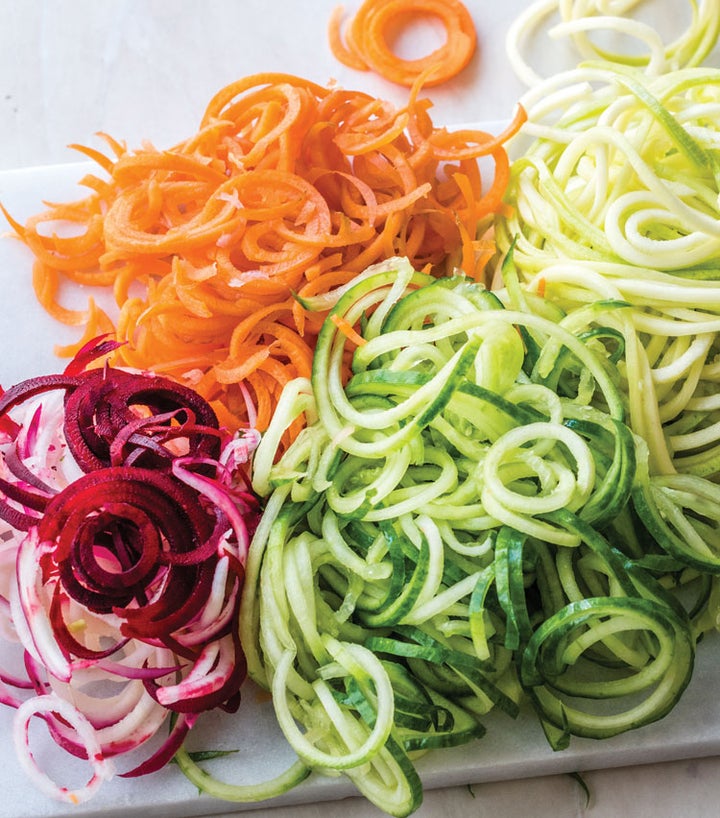
Spiralizer. This is especially helpful for trying to sneak in more veggies into dishes for kids or other family members who don’t get enough greens. You can spiralize everything from zucchini, sweet potatoes, rhubarb, large carrots, parsnip, turnip, rutabaga, beets, broccoli stems, jicama, bell peppers, apples, and more.
Silicone Baking Cups. Make sure your muffins, egg cups, and other oven creations don’t stick with these reusable cups. Get even more mileage by using them as a small snack holder within non-Bento containers (a standard muffin cup typically holds about a 1⁄2 cup).
Instant Pot. Here’s another one that cuts down on extra appliances. The Instant Pot takes the place of a pressure cooker, slow cooker, and rice cooker, all while having the ability to sauté, steam, and warm foods. Use it to make large batches of grains, legumes, stews, and more.
ADVERTISEMENT
10. Get Saucy.
“Homemade sauces are important for female runners because they’re made with healthy fats for hormone balance and spices or fresh herbs for fighting inflammation,” says Elyse Kopecky, best-selling co-author of Run Fast. Eat Slow. and the new Run Fast. Eat Slow. A Runner’s Meal Planner. “Weeknight dinners are as simple as tossing rice into my Instant Pot, warming up a homemade sauce and drizzling it on a bowl of leftover roasted veggies and chicken with the rice.” Include these favorite recipes from Kopecky in your weekly meal-prep arsenal.
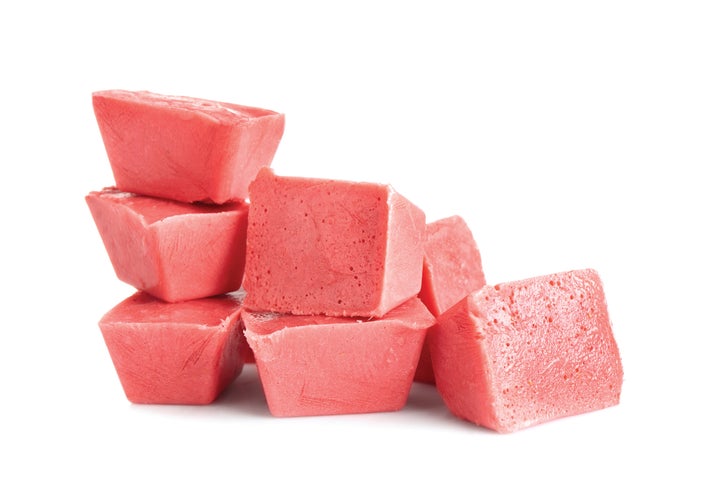
11. Load Up on Ice Cube Trays
Look for silicone (they’re easiest for removing your cubes smoothly), and consider a range of sizes (smaller cubes are ideal for things like sauces and smoothies, while larger cubes can be used to freeze mini portions of leftover soups and stews). Nothing fancy about them, but tons of useful ways to use them:
- Freeze leftover smoothies and use instead of ice to keep your smoothies full of flavor and not watered down.
- Freeze your leftover coffee and use in your iced coffees to keep them from getting watered-down. (Or, add to your smoothies for a caffeine boost!)
- Make a batch of fresh pesto, spoon into trays and freeze. Use in recipes when called for or to add to sauces or sautes for extra flavor.
- Have leftover chicken or vegetable stock? If you won’t use it in the next two weeks, pour it into an ice cube tray and freeze to keep it fresh for months longer. You can also drop an ice cube of frozen stock into the pan while you’re reheating leftover rice or pasta dishes to help reinvigorate them with moisture and liven up the flavors in leftovers.
- You can do the same thing with fresh fresh lemon and lime juice.
- Grab some canned pumpkin at the store, divide it into ice-cube trays, and freeze. Drop a cube into your morning bowl of oatmeal before heating, or put a few into your morn- ing smoothie. That way it will stay fresh longer so you don’t have to eat all-things-pumpkin in a single week.
- Baking a batch of cookies, but don’t need 3 dozen right now? Portion out rounded spoonfuls into trays and freeze. Then you can make as many or as few as you like, whenever you like!
When you’re storing…
12. Keep it Well Contained.
Food storage containers are one of the most essential meal prep tools. If you’re currently working with a cupboard full of mismatched containers with missing lids, you’ll probably find the prep process pretty frustrating. It’s well worth your time and money to invest in high-quality containers.
ADVERTISEMENT
13. Embrace Mason Jars.
They work for salads, soup, oatmeal, smoothies—almost anything. They are dishwasher- and microwave-safe, water-tight and sturdy as can be. Smaller 4oz jars are great for storing salad dressing and sauces, too.
14. Make it Air Tight.
When you’re freezing, you want an airtight seal. You can save space by using large resealable plastic bags and squeeze out any extra air. (This works particularly well for single-serving sizes of chilis and stews! Simply run them under warm water to loosen then heat in the microwave or on the stove.)
15. Don’t Wait Too Long.
Be sure to eat your leftovers within three or four days. Most refrigerated foods take longer to spoil, but they lose flavor (and sometimes texture) first. If you want to make big batches of food, refrigerate only what you can eat in two or three days. Freeze the rest for later.
ADVERTISEMENT
16. Label it.
Once you freeze your food away, keep in mind how long they’ll stay good (write the date you put it in the freezer on the outside of your container so you don’t forget):
- Soups, cooked beans: 2-3 months
- Ground meat, cooked poultry: 3-6 months
- Apples, bananas, pears, plums, mangoes, berries: 6-8 months
- Vegetables: 8-12 months